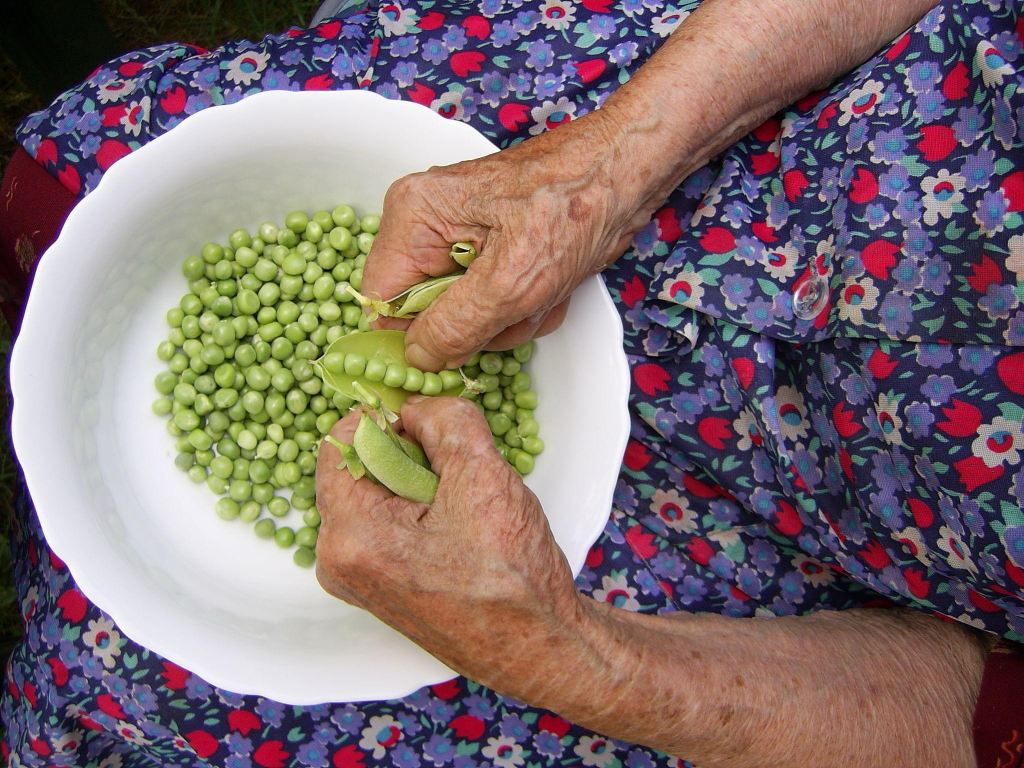
There are women in the South whose names never made it into history books, though they held entire families together with flour-dusted hands and stories told while shelling peas at the kitchen table. They were not famous in the way the world measures fame. They were famous in the way children remember voices.
The women who raised the South rarely called themselves storytellers.
But they were.
They told stories in church kitchens while stirring macaroni and cheese into aluminum pans for homecomings and funerals. They told them on front porches with one eye on the road and another on the weather. They told them while snapping beans, folding laundry, brushing little girls’ hair, and wiping down counters after supper. Stories slipped out between chores because Southern women have always known that conversation is its own kind of inheritance.

I think about that often now that I’m older.
Especially after weekends like graduation weekend.
Saturday morning, I watched my students cross the stage at Albany State University. Some of them were first-generation graduates. Some of them had mothers and grandmothers in the crowd crying quietly into tissue paper and church fans. I watched women stand when their babies’ names were called, hands lifted high, pride written across their faces like scripture.
And all I could think was: nobody gets here alone.
There is almost always a Southern woman somewhere behind the story.
Maybe she packed lunches before daylight.
Maybe she worked double shifts and still made it to every school program.
Maybe she prayed over people who never knew she was praying.
Maybe she carried generations of grief and still managed to laugh loud enough to fill a room.
Southern women have a way of turning endurance into hospitality.
My own mother did that.
Growing up, there were phrases I heard so often they became part of my internal language. Things like:
“Don’t go off acting ugly.”
“Take something when people invite you over.”
“Speak when you walk in a room.”
“Love people while you can.”
At the time, they sounded like ordinary sayings. Now I understand they were lessons hidden inside conversation.
That’s how Southern women teach.
Not usually through lectures.
Through repetition.
Through routine.
Through the way they hand you a casserole dish wrapped in foil after someone dies because food becomes the language when words fail.
Heritage in the South is rarely neat. It is layered and complicated and beautiful and painful all at once. But one thing remains true across generations: Southern women know how to carry stories.
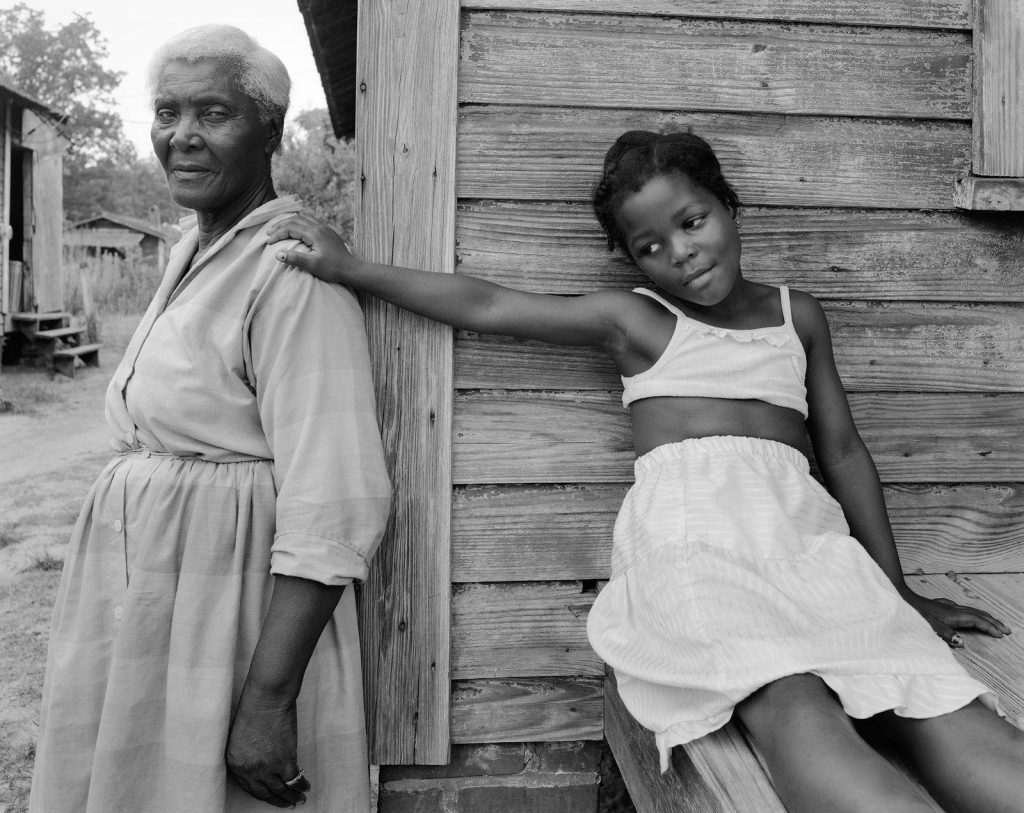
Some carry them in recipe cards stained with grease spots and vanilla.
Some carry them in family Bibles with names written in fading ink.
Some carry them in photographs tucked into drawers.
And some carry them only in memory, passing them aloud before they disappear.
I think that’s why Southern storytelling feels different to me than storytelling anywhere else.
Here, stories are not performances.
They are preservation.
A grandmother telling you how she met your grandfather is preserving history.
A mother repeating family sayings is preserving identity.
A woman at church reminding you who your people are is preserving belonging.
Even silence tells a story in the South.
Especially among women.
The older I get, the more I realize the women who raised me were writers all along. They just never used paper. They wrote themselves into people instead.
Into the way we speak.
Into the meals we cook.
Into the way we comfort others.
Into the instinct to pull someone closer and say, “Y’all come eat.”
Sometimes heritage doesn’t look grand or historic.
Sometimes it sounds like a screen door slamming.
Like cousins laughing in another room.
Like hymnals turning on Sunday morning.
Like your mother calling you in for supper before the mosquitoes come out.
And if you listen closely enough, you can still hear the women who raised the South in all of it.
 Southern Ink
Leave a comment